PRIMER DOBRE PRAKSE
Challenge:
- Data on grapes, varieties, quantities, and processing was scattered across multiple records and systems.
- Limited traceability from vineyard to final bottle.
- Complex coordination between viticulture, grape intake, bottling, warehouse, and logistics.
- Extensive manual data reconciliation between departments.
- Limited visibility into material consumption in bottling and inventory in the warehouse.
- Increasing requirements regarding quality, regulations, and batch traceability.
Solution:
- Digital support for vineyard operations and activity tracking.
- Grape intake with recording of origin, variety, quantity, sugar level, and health status.
- Integration with ERP system for improved data flow between operational and business processes.
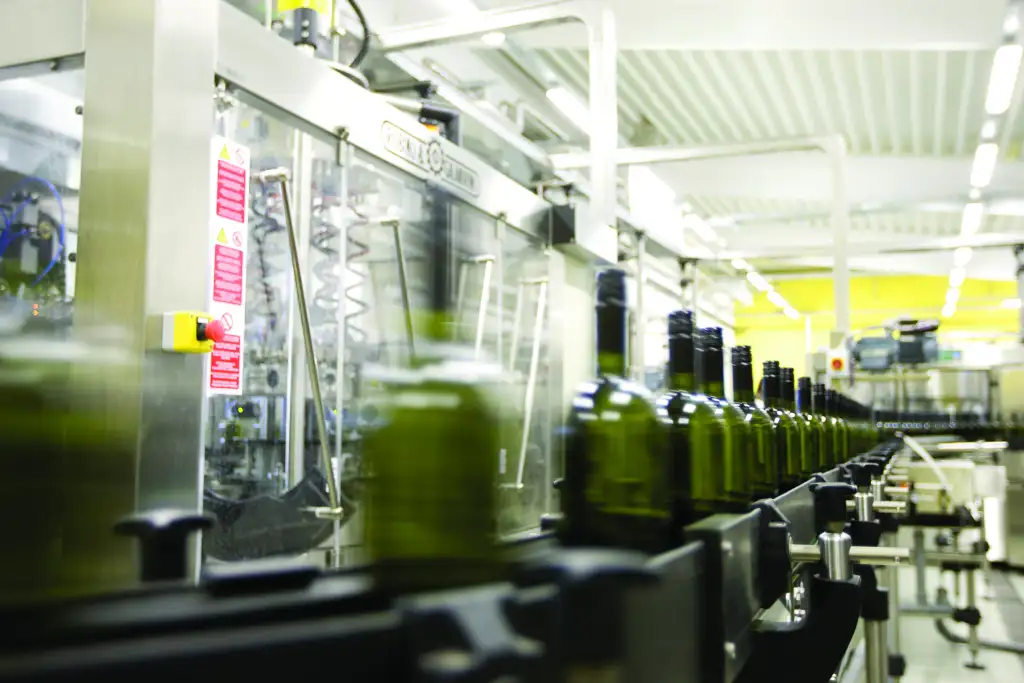
- Digital support for bottling to track consumption of bottles, corks, labels, and cartons.
- Digital support for warehouse and logistics to track batches, inventory, and movements.
- Integration with the specialized Vintrace system for cellar processes.
Expected results:
- 100% traceability of wine batches from vineyard to final bottle.
- 20–30 % reduction in manual data reconciliation between departments.
- 15–20 % faster preparation of traceability data and documentation.
- More accurate monitoring of material consumption in bottling.
- Better alignment of warehouse inventory with ERP.
- Faster response when checking batches, lots, and product history.
- Stronger foundation for production, cost, and logistics analytics.
About Puklavec Family Wines
Puklavec Family Wines is one of the most recognizable wineries in the region, combining a rich viticultural tradition, modern cellar practices, and a strong focus on quality. The company operates a complex production system where traceability is essential—not only for quality assurance but also for efficient planning, logistics, certification, and customer trust. Processes are distributed across several specialized areas: viticulture, grape intake, cellar, bottling, warehouse, and distribution. Due to this complexity, digital support has become essential.
In winemaking, traceability is essential because each bottle is the result of multiple interconnected phases – from vineyard to cellar, bottling, and distribution. With digital support, we aim to ensure better data visibility, faster decision-making, and a more reliable connection between production, logistics, and quality.
Luka Radiček, Production Manager, Puklavec Family Wines
Viticulture,cellar, and logistics: complexity that requires digital integration
Winemaking is unique because the product story begins in the vineyard, not in the production facility. Information about grape origin, quality, processing, maturation, and bottling is essential for the winery. Before implementing a more integrated digital system, much of this data was collected manually or stored in disconnected systems. As the volume of data grows—more vineyards, varieties, batches, materials, and markets—manual records and isolated systems are no longer sufficient.
Key complexity challenges:
• Grapes come from different vineyards, varieties, and growers.
• Each harvest is a major logistical and organizational process.
• Each batch requires full traceability of origin, quality, processing, and movement.
• Bottling requires precise tracking of packaging materials.
• Warehouse and logistics require reliable tracking of batches and movements.
Challenges before implementing Trace Solutions
— Data on grapes, varieties, quantities, and processing was stored in multiple locations.
— Traceability between vineyard, intake, cellar, bottling, and warehouse was not fully connected.
— Batch verification required searching across multiple sources.
— Material tracking in bottling required manual reconciliation.
— Inventory, consumption, and logistics analytics were slower.
— Connection between operational data and ERP was not always direct.
Digital transformation was therefore a logical step for a company aiming to continuously improve quality, traceability, and production efficiency.
Digital transformation and implementation of the Trace ecosystem
Implementation was gradual. The initial focus was on areas where digital support could quickly deliver value: logistics, bottling, and warehouse. Later, solutions were extended to grape intake and viticulture.
Today, Trace solutions support:
Viticulture
Tracking work activities, time, and data for cost analysis. Future steps include more detailed digital support for harvesting and yield tracking by vineyard, location, and workforce.
Grape Intake
The system captures key data:
• Vineyard,
• Variety,
• Quantity,
• Sugar level,
• Health status,
• Grower/origin.
This ensures traceability from the very beginning of the process.Kletarski proces
Cellar Processes
The company uses the specialized Win Trace system for cellar operations (flows, filtration, blending, etc.). The goal is stronger integration across intake, cellar,bottling, and warehouse.
Bottling
Trace enables monitoring of consumption of:
• Bottles,
• Corks,
• Labels,
• Cartons.
This improves production visibility and packaging traceability.
Warehouse and Logistics
Each batch is labeled with a barcode, enabling traceability throughout storage and distribution. The system supports inventory management, movement tracking, and shipment preparation.
It is important for us that logistics, warehouse, and production are data-connected. Trace Solutions helps us build a more transparent flow of materials and products, as well as faster access to information needed in daily operations.

Matevž Škerjanc, Supply Chain Manager, Puklavec Family Wines
What has changed: work today
The biggest change is improved process transparency and better structured data. Information is now more accessible, and processes are easier to connect across departments.
Key benefits:
• Batch traceability,
• Better coordination between departments,
• Production and material analysis,
• Inventory control,
• Faster product origin verification.
One of the most tangible improvements is in bottling, where material consumption and batch production are now tracked much more precisely.
In bottling, precise tracking of material consumption and batches is crucial. Digital traceability allows us better control over filling and packaging processes and provides a strong foundation for further improvements.

Gregor Kotolenko,Bottling Manager, Puklavec Family Wines
Looking ahead: digitalization as an ongoing process
Digital transformation at Puklavec Family Wines is not a one- time project but a continuous development process.
Next steps include deeper integration across:
• Viticulture,
• Grape intake,
• Cellar,
• Bottling,
• Warehouse,
• Logistics.
The company is also considering:
• Advanced analytics,
• Additional process automation,
• Improved system integration,
• Use of AI for data analysis and decision-making optimization.
Why Puklavec Family Wines sees value in Trace Solutions
The key value lies in enabling gradual development of digital traceability where it is most needed.
Key advantages:
• System flexibility,
• Adaptability to winemaking processes,
• ERP integration,
• Support for logistics, bottling, and inventory,
• Strong foundation for future development.
Puklavec Family Wines demonstrates that digital traceability is no longer just a quality tool—it is becoming the foundation for better decision-making, improved process control, and greater market trust..
Are you thinking about digitiying your warehouse or logistic processes
If you are facing similar challenges as described in this case study, we can help you design and implement a solution tailored to your business. Contact us for professional consultation: